Making materials synthesis more predictable
Understanding relationships between material structures, precursors, experimental conditions and synthesis outcomes.
Related workChemistry, computation and discovery
Founder of StructSub · Computational Chemist · Scientific AI Consultant · Research Software Developer
I use quantum chemistry to understand molecules and materials, machine learning to predict their behaviour, and software engineering to make these methods useful to other researchers.
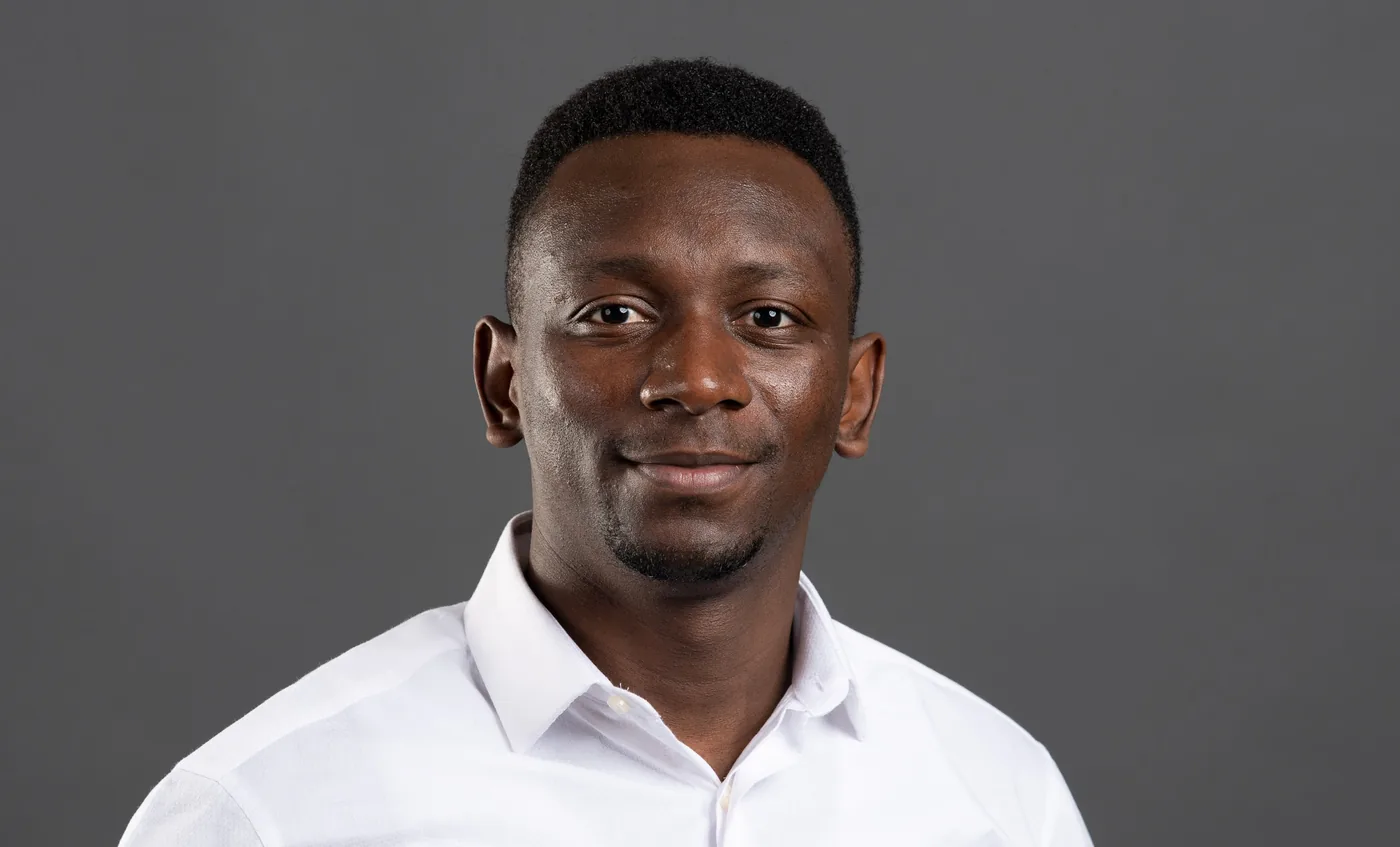
I like to make life easier for chemists.
My research starts with understanding why chemical processes occur. I combine quantum-mechanical modelling with machine learning to investigate molecular behaviour, materials synthesis and the relationships hidden in scientific data.
I also build software that helps researchers design, simulate and analyse chemical systems, with less time spent on repetitive tasks.
Understanding relationships between material structures, precursors, experimental conditions and synthesis outcomes.
Related workExtracting and organising chemical information from publications to support data-driven research.
Related workUsing computation to explain chemical interactions, predict properties and investigate structure–property relationships.
Related workConnecting computational models, scientific databases, automated tools and AI systems.
Related workDeveloping software that allows more researchers to benefit from advanced computational methods.
Related workI want to help connect molecular structure, synthesis, characterisation and performance in reproducible research workflows. Predictive synthesis, intelligent scientific systems and accessible software are the directions I am working towards.
Read about my research vision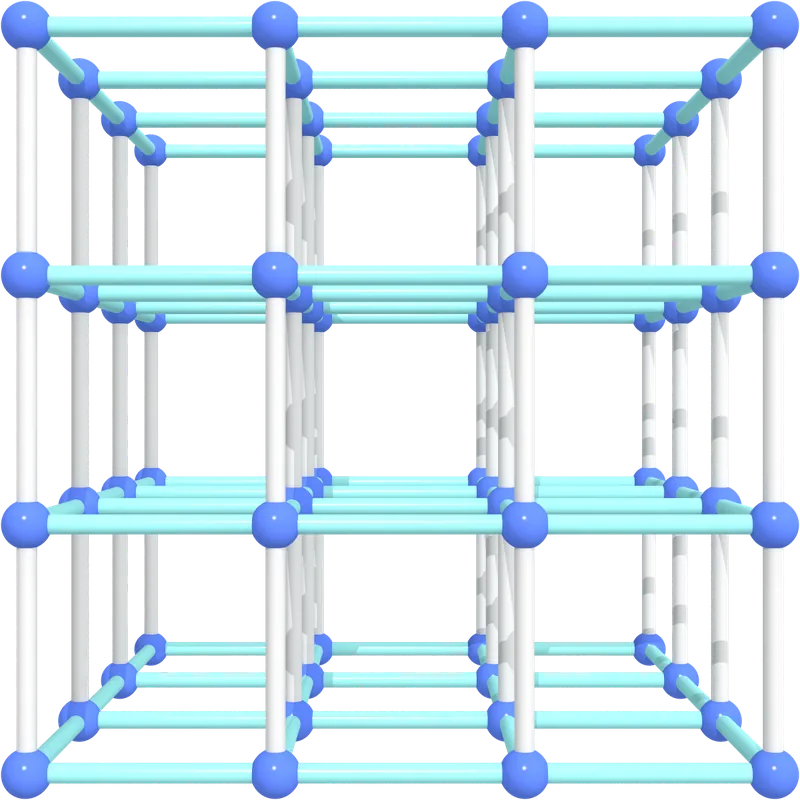
Open-source software
Python tools for analysing and manipulating metal-organic frameworks and other porous materials.
Scientific web application
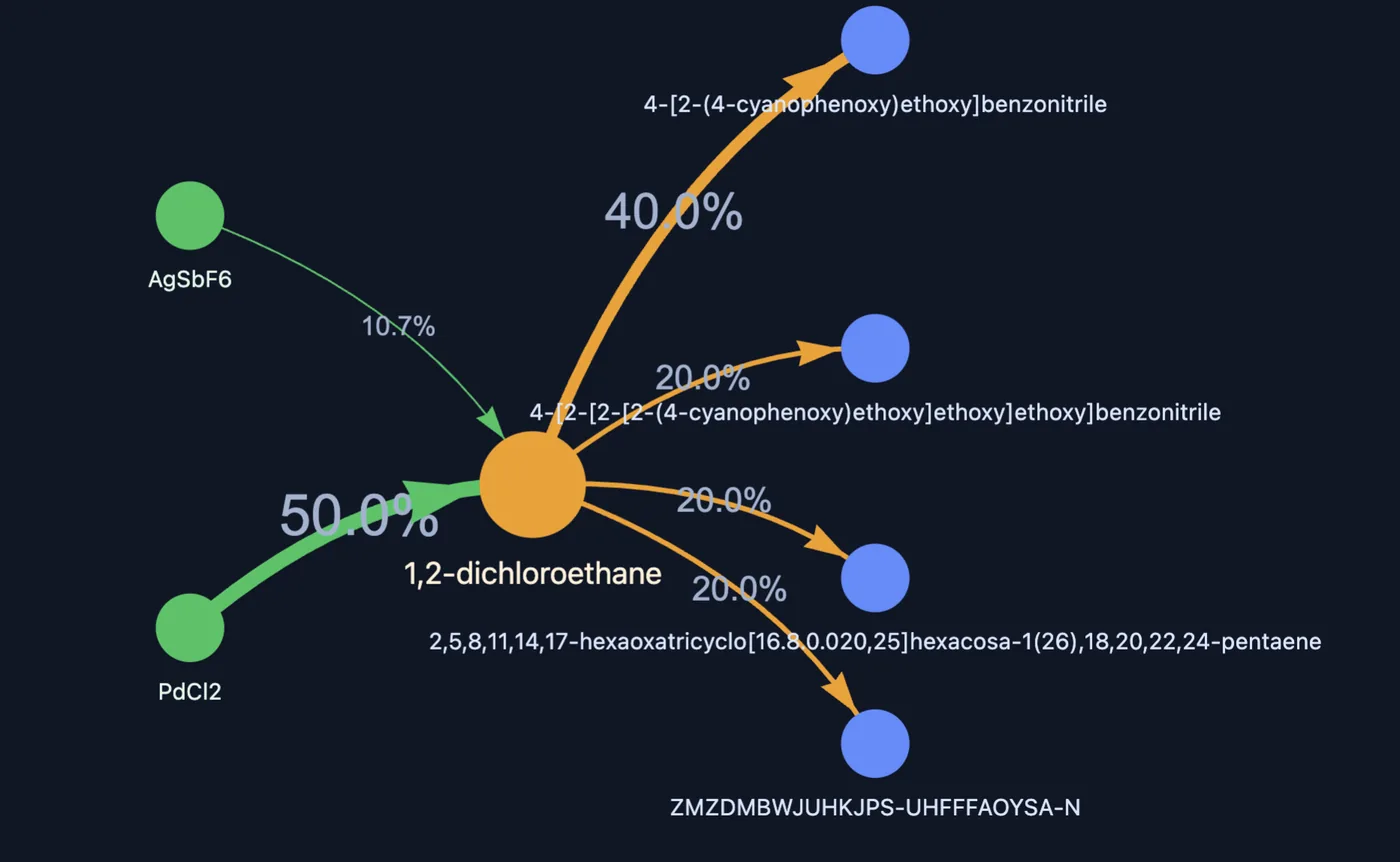
Explore ligand, metal salt and solvent combinations used in MOF synthesis, with linked FAIR-MOFs records.

Scientific data
Curated crystal structures, material descriptors and synthesis information for computational materials research.
Open-source software
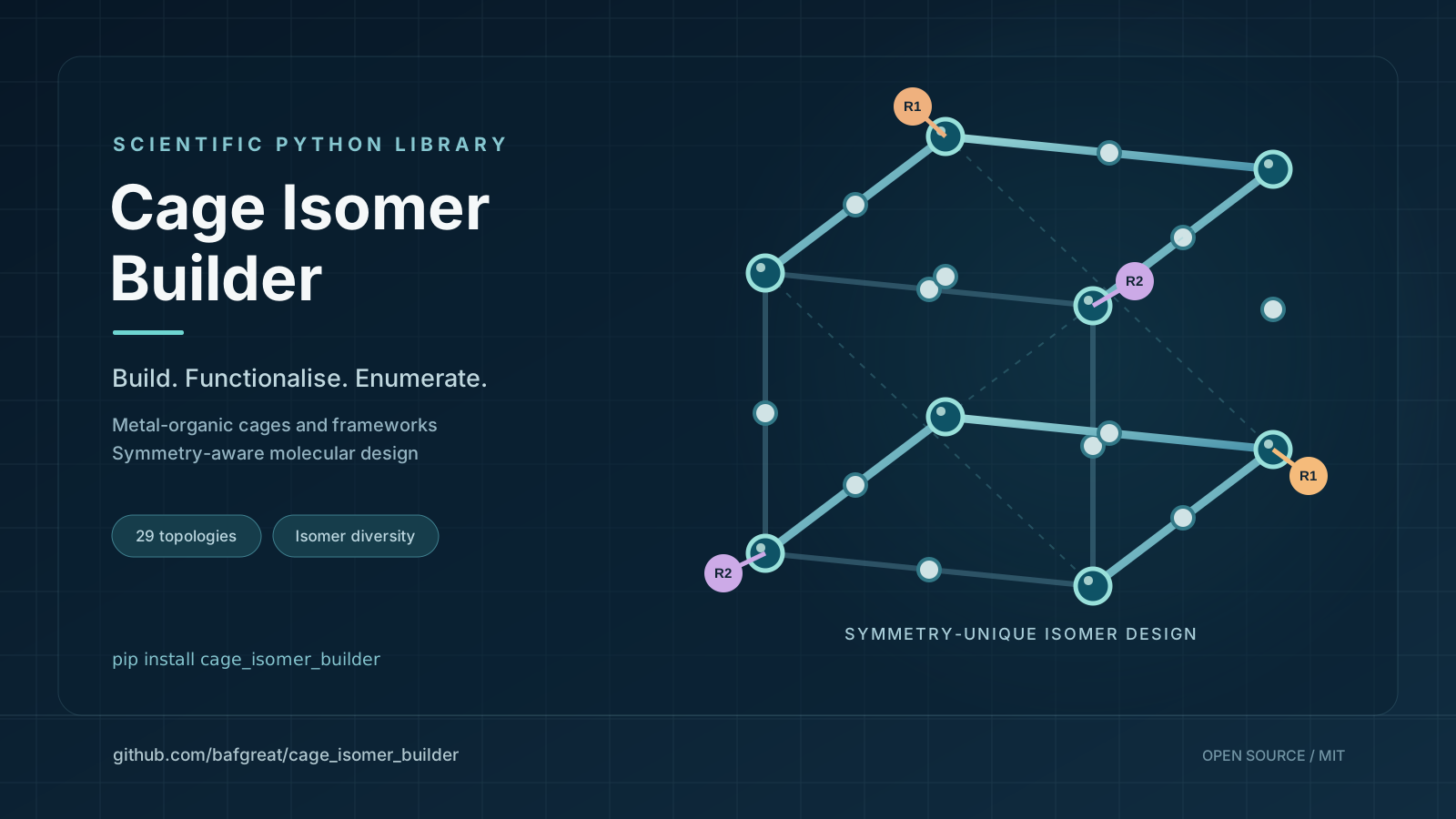
Open-source software for constructing molecular cages, enumerating isomers and describing structural characteristics.
I support researchers, startups and R&D teams with molecular modelling, scientific AI, materials data and custom research software. Together, we define the scientific question and develop a practical, validated approach.
Explore Consulting ServicesI founded StructSub to bring materials design, simulation and analysis into a connected scientific workspace. It grows from a recurring frustration in my own research: too much time spent moving between disconnected tools.
Explore StructSub · Why I founded it

Falling Walls / Berlin
A pitch about hydrogen storage in metal-organic frameworks.
FAQ
Short answers about working with me, StructSub and my research. If your question is not here, get in touch.
Ask a questionChemistry and materials problems that need computational modelling, scientific AI or research software. Typical examples are explaining why a material behaves as it does, screening candidates before synthesis, predicting plausible synthesis conditions, and turning a research workflow into reliable, documented software. The consulting services describe each area.
With a short conversation about the scientific problem, your data and your constraints. I then assess which computational, AI or software methods fit, and we agree on scope, deliverables, milestones and timeline before any work begins. An engagement can be a focused technical review, a research and development project, or a software and AI implementation.
Yes. Confidentiality, data handling, intellectual property and deliverables are agreed before work begins. Please keep confidential details out of a first enquiry; a brief overview is enough to start.
No. My independent consulting is separate from my academic appointment at Nottingham Trent University and from my role as founder of StructSub Ltd. It does not imply sponsorship or endorsement by either.
Bring an experimental challenge and we turn it into a testable computational question. That might mean proposing synthesis conditions, checking structures against powder X-ray diffraction (PXRD), predicting properties or explaining an unexpected result.
StructSub Ltd is the company I founded to build a browser-based scientific workspace for materials design, simulation and analysis. It brings structure building, modification, simulation and analysis into one place, so researchers spend less time writing scripts and moving between disconnected tools. Visit StructSub.
It grew from a recurring frustration in my own research: hours spent writing one-off scripts and moving structures between tools before any science could happen. Researchers should be able to modify molecules and materials without that overhead. Read the full story.
Many promising materials never reach practical use because the knowledge of how to make them is fragmented, poorly documented or hard to reproduce. I work to make synthesis knowledge explicit, computable and transferable, so researchers can reproduce materials with fewer trial-and-error experiments and a clearer path to scale-up.
Synthesis prediction uses AI and, where relevant, physics-based chemistry to estimate how to make a target material: reagents, solvents, temperature, reaction time, pH, modulators and processing steps. My focus is structure-to-synthesis, which starts from a 3D structure, such as a CIF file, and predicts plausible conditions for making it.
They are probabilistic, not definitive, and they do not replace chemical intuition. Their value is in narrowing the experimental search: suggesting plausible conditions and flagging constraints or likely failure modes before time and materials are spent in the lab.
Less trial and error means shorter development timelines and lower costs when a new material moves towards industrial production and scale-up.
For metal–organic frameworks, yes. My open-source package fairmofsyncondition generates a synthesis-condition report from a CIF file. Install it with pip install fairmofsyncondition, then run fairmofsyncondition_syncon my_mof.cif -o my_mof_report.txt.
Mainly porous materials, including metal–organic frameworks (MOFs), covalent organic frameworks (COFs) and molecular cages, for gas storage, CO₂ capture, separations, chemical sensors and battery applications.
Density functional theory (DFT) for stability, geometry, reactivity and electronic structure, including band structures and projected density of states. Binding energy calculations to assess how strongly guest molecules interact with a material, for example in chemical sensors. Energy decomposition analysis (EDA) to understand the interactions within a system by separating them into physical contributions, such as electrostatics, dispersion and charge transfer. Atoms-in-Molecules (AIM) analysis for charge and bonding, for example to locate redox-active sites. Grand canonical Monte Carlo (GCMC) for gas adsorption, such as CO₂ and hydrogen uptake in porous frameworks. Molecular dynamics for ion migration and diffusivity in battery materials. Graph neural networks that learn structure–property relationships across large materials databases.
Yes. My tools include mofstructure for analysing porous frameworks, cage_isomer_builder for molecular cages, and the FAIR-MOFs dataset. I build them with tests, documentation and reproducible workflows. See all tools.
Contact
I welcome opportunities to collaborate on scientific research, develop intelligent computational tools and support organisations facing challenging scientific problems.
dingawonanke@structsub.com